Sponsored link
RestStopTycoon
Session doctrine

Rest Stop Tycoon Operations Planner

Rest Stop Tycoon has no units or pets to squad up — servers hold 3 players and the only thing you command is your rest stop. So this planner plans the real squad: the four operating roles every session rotates through.

Role doctrine

The four operating roles

Each role owns one symptom, one checklist, and one reason it sits where it does. Work them in order — every role only pays once the one before it is healthy.

Traffic role

Few customers reach the rest stop.
  • Stand where customers appear and count arrivals for a minute before spending anything.
  • Open the attraction choices currently visible in game and read what each one changes.
  • Make one attraction change, then recount arrivals before the next purchase.

Why it sits here: The official description treats customer attraction as its own system. A sales purchase cannot help shoppers who never arrive, so traffic is always triage one.

Sales role

Customers arrive but spending feels weak.
  • Watch one full customer visit from arrival to checkout.
  • Inspect the item and sales choices shown in your session; the official goal is more items per customer.
  • Change one sales input at a time and watch whether average spend moves.

Why it sits here: “Sell more items to increase average customer spend” makes spend-per-visit the named lever. The fix that matches the symptom is stock-side, not traffic-side.

Expansion role

A visible expansion competes with another need.
  • Read the expansion requirement text in your current session.
  • Name the bottleneck you expect the new space to solve.
  • Expand only when the unlock supports that bottleneck; otherwise bank the cash.

Why it sits here: Expansion is official, but the game publishes no universal upgrade order, so each expansion is a fresh decision against your visible bottleneck.

Rebirth role

The rebirth option is visibly available.
  • Read the full reset confirmation: cost, what resets, what stays.
  • Name the bottleneck you expect faster shopping to solve.
  • Accept only when the shopping-speed benefit beats continued expansion now.

Why it sits here: Rebirth officially speeds up customer shopping. It multiplies an existing loop, so it pays most once traffic and stock already convert well.

Worked sessions

Three session plans, ready to run

Pick the one that matches your stop's age. Every plan uses only mechanics the official description documents.

First quarter-hour (new stop)

Run traffic and sales only. Complete the starter build steps, then stand at the entrance and count arrivals for a minute. Make one attraction change if the road looks quiet, then watch one full customer visit to see what stock they actually buy.

Doctrine: Early plots have little stock and little traffic, so the expansion and rebirth roles have nothing to multiply yet. The official loop starts with customers, and so should the session.

Mid-game session (loop is running)

All four roles, in order. Triage traffic first (is the entrance still busy?), then sales (did the last stock change move spend?), then read any newly visible expansion requirement and fund it only if traffic and spend are healthy. Leave rebirth for the end of the session, with its confirmation read in full.

Doctrine: A running loop produces cash faster than a new plot, so expansion becomes fundable — but the role order still decides whether that cash goes to growth or gets wasted on the wrong system.

Pre-rebirth decision

Traffic and sales roles become the evidence gatherers: count arrivals, watch a visit, and note how fast the cash counter refills. Then read the rebirth confirmation end to end — cost, reset scope, what stays — and rebirth only when faster shopping clearly beats one more expansion.

Doctrine: Rebirth officially speeds up customer shopping. Its payoff is proportional to a loop that already converts, so the planner treats it as a decision made with data from the other three roles.

Field notes

What a session actually looks like

The observable loop the checklists formalize.

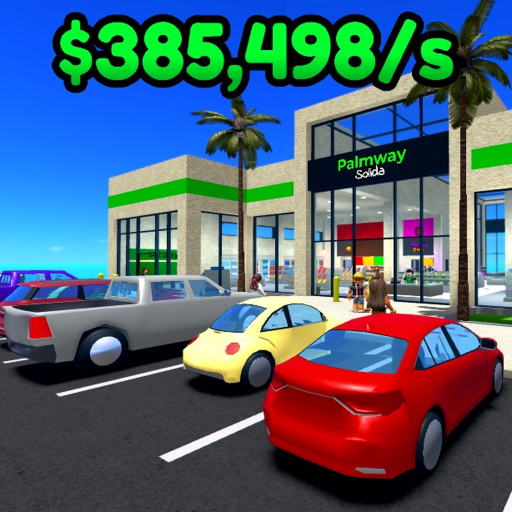
A Rest Stop Tycoon session is a cycle of short observations. Customers stream in from the road, queue at your stock, and pay; the money counter climbs and each build panel shows what it needs next. Because servers hold at most 3 players, nothing about the loop depends on other people's stops — your traffic, your stock, and your reset decision are the whole game. That is why a session plan works here at all: four roles, one observation pass each, and the numbers you need are all on your own screen.

The one scheduling rule the game adds: it updates often. The public record caught a content drop on 2026-10-02, and requirements can move with patches, so re-run the four-role pass after every update rather than trusting last week's panel numbers.

FAQ

Planner questions

Is this a team planner? Rest Stop Tycoon is a tycoon, not a battler.

Correct — there are no units or pets to squad up. The planner here plans your four operating roles (traffic, sales, expansion, rebirth) across a session, which is the closest thing to squad planning this game has.

Can I play Rest Stop Tycoon with friends?

Servers cap at 3 players per the official game record, so the game is built around small sessions. Each player runs their own rest-stop decisions; the checklists here work the same in a full or empty server.

What order should the roles run in?

Traffic, then sales, then expansion, then rebirth — the same order the official description introduces them. Each role only pays once the one before it is healthy.

How long is a planning cycle?

One observation pass per purchase: check arrivals, make one change, watch the result. A full four-role review takes a couple of minutes and is worth redoing after every game update.

Next action

Use the interactive checks